

Kling 4.0 vs Sora 2: The Head-to-Head, After the Shutdown
OpenAI closed Sora's API for good on September 24, 2026, and Kuaishou answered two days later with Kling 4.0 — Flash early access on September 26, global launch October 8. That timing turns an old vs-debate into a migration decision. This guide assembles it honestly: official Kling 4.0 release-note specs and showcase clips via Alex Bokor's feature breakdown and JSFILMZ's first look, plus Sora 2's real output from Roboverse's prompt-matched three-way test against Kling 3 and Veo 3.1, recorded while Sora could still be called. Every frame below is labeled with the model it shows.
Source & credits
Screenshots in this guide are captured from Alex Bokor's public walkthrough video. Every step links back to the exact moment it shows, so you can follow along.
Alex Bokor ↗Two Models, Two Very Different Weeks
- 1
Read Kling 4.0's official spec table first
Kuaishou's release notes give Kling 4.0 a concrete scorecard: single generations of 3–30 seconds, 720p/1080p/4K output, up to 10 keyframe images, Omni Reference, a new 21:9 ratio, 10-bit HDR and two-channel stereo audio, with prompt capacity raised to 8,000 tokens. JSFILMZ's first-look screen recording captures the table on klingai.com the week it posted — the same page that dates Flash's early access to September 26.
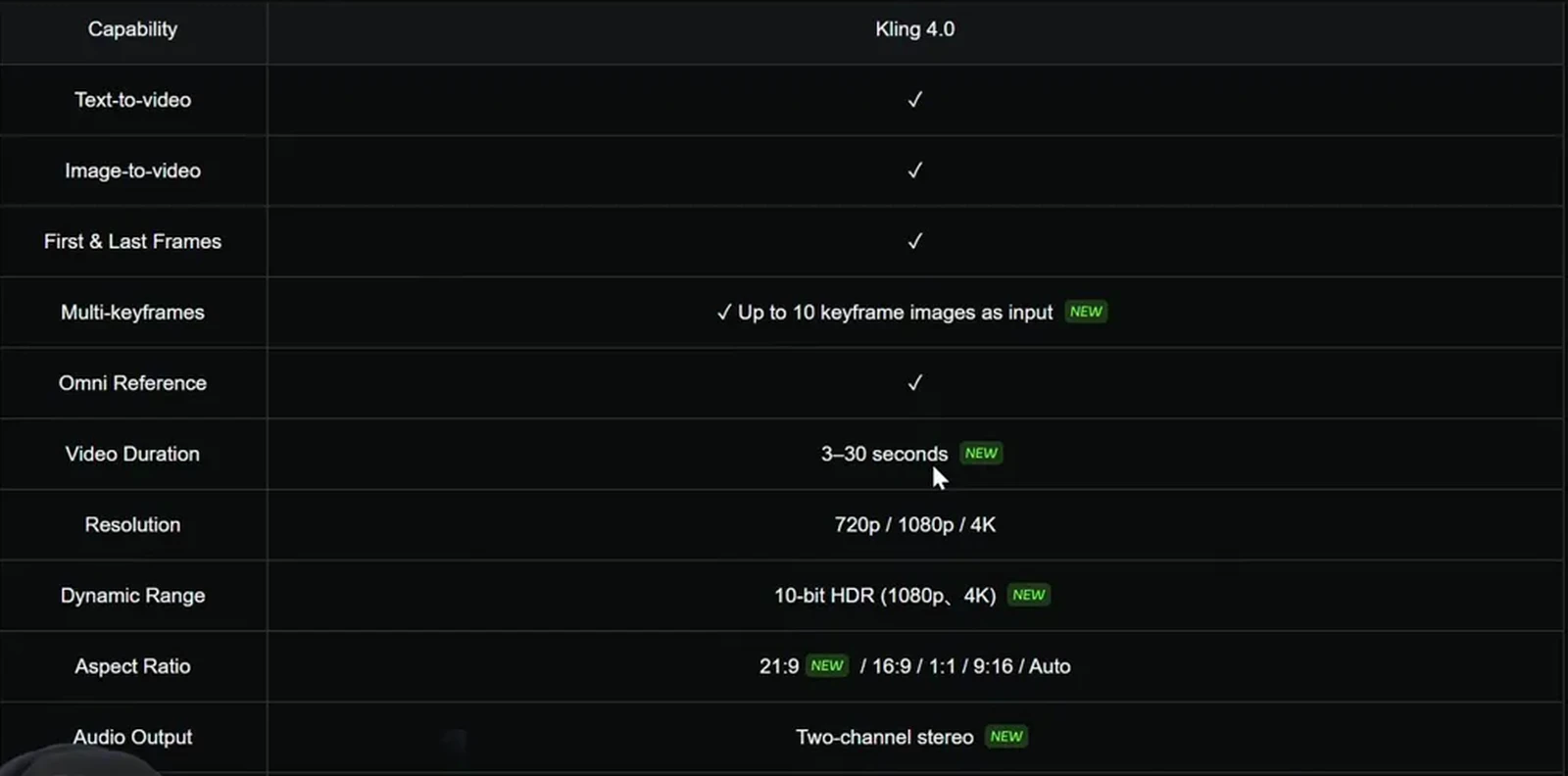
Duration, resolution, keyframes, audio — the whole upgrade on one card.Watch at 0:43 - 2
The 30-second dragon one-take is the announcement
Kuaishou's showcase reel leads with a near-30-second dragon flight — liftoff from a rock, pull back over the water and a burning city, all inside one generation while the creature stays the same dragon. In Alex Bokor's breakdown he rewinds the clip twice; his caveat is that the fire and water read slightly video-gamey next to Seedance 2.5.
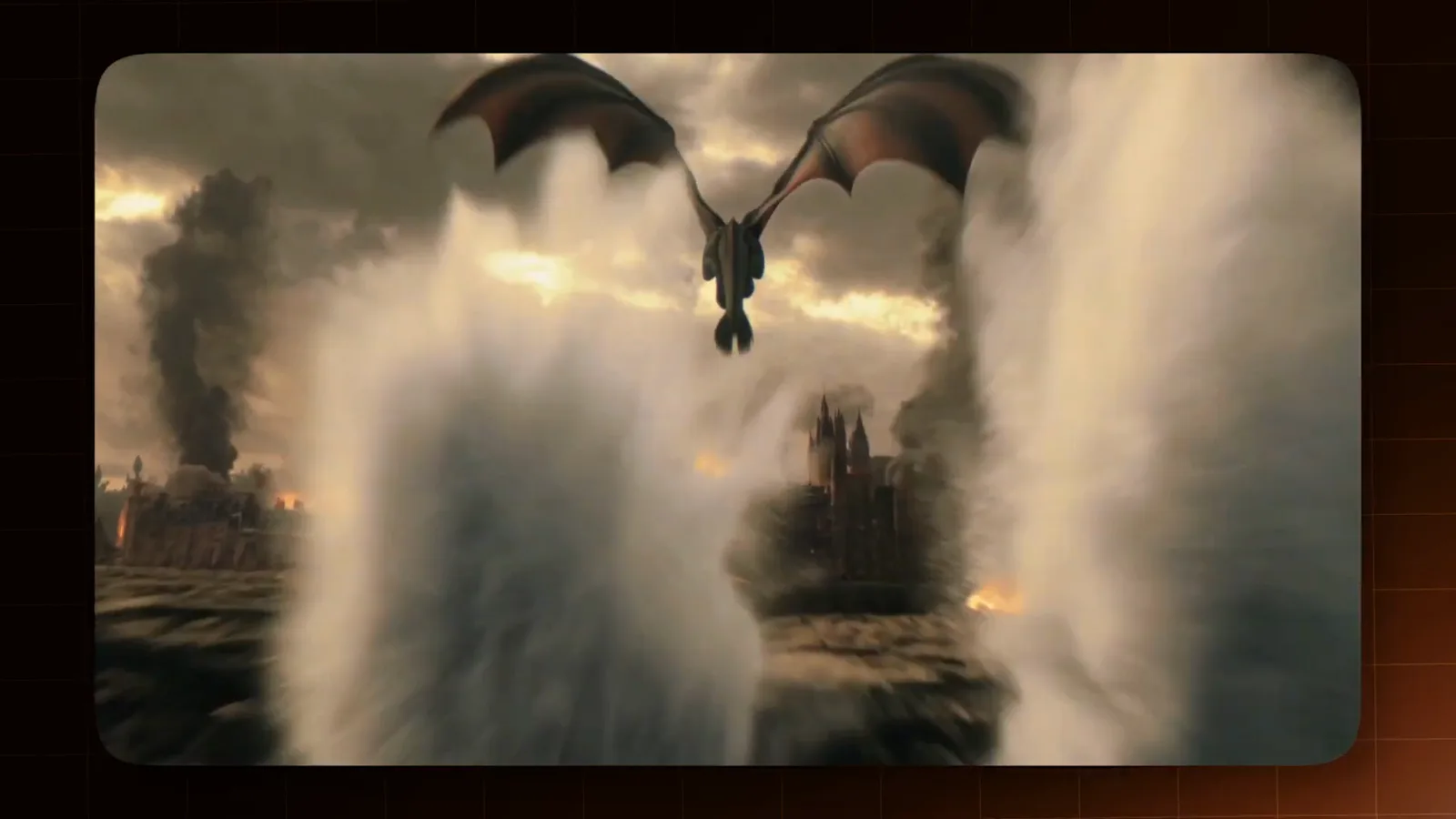
One generation, one continuous camera move — the 30-second ceiling is the story.Watch at 2:50 - 3
Sora 2 entered this fight already retired
OpenAI shut Sora API access for good on September 24, 2026; the app and web versions had been retired earlier in the year. So Sora 2 appears in this comparison the way Roboverse's title card frames it — as a frozen benchmark. Everything you will see from its side is genuine output, recorded before the doors closed.
A three-model test became a two-horse race the week after it was filmed.Watch at 0:05
Prompt-Matched Tests: What Each Model Renders
- 4
Start from one shared prompt
Roboverse ran identical prompts through Kling 3, Veo 3.1 and Sora 2 inside Higgsfield, which hosts all three engines under one subscription. The basketball brief asks for five athletic players moving dynamically, a weathered hoop against a chain-link fence and warm sunset light — bodies, physics and color graded in one pass.
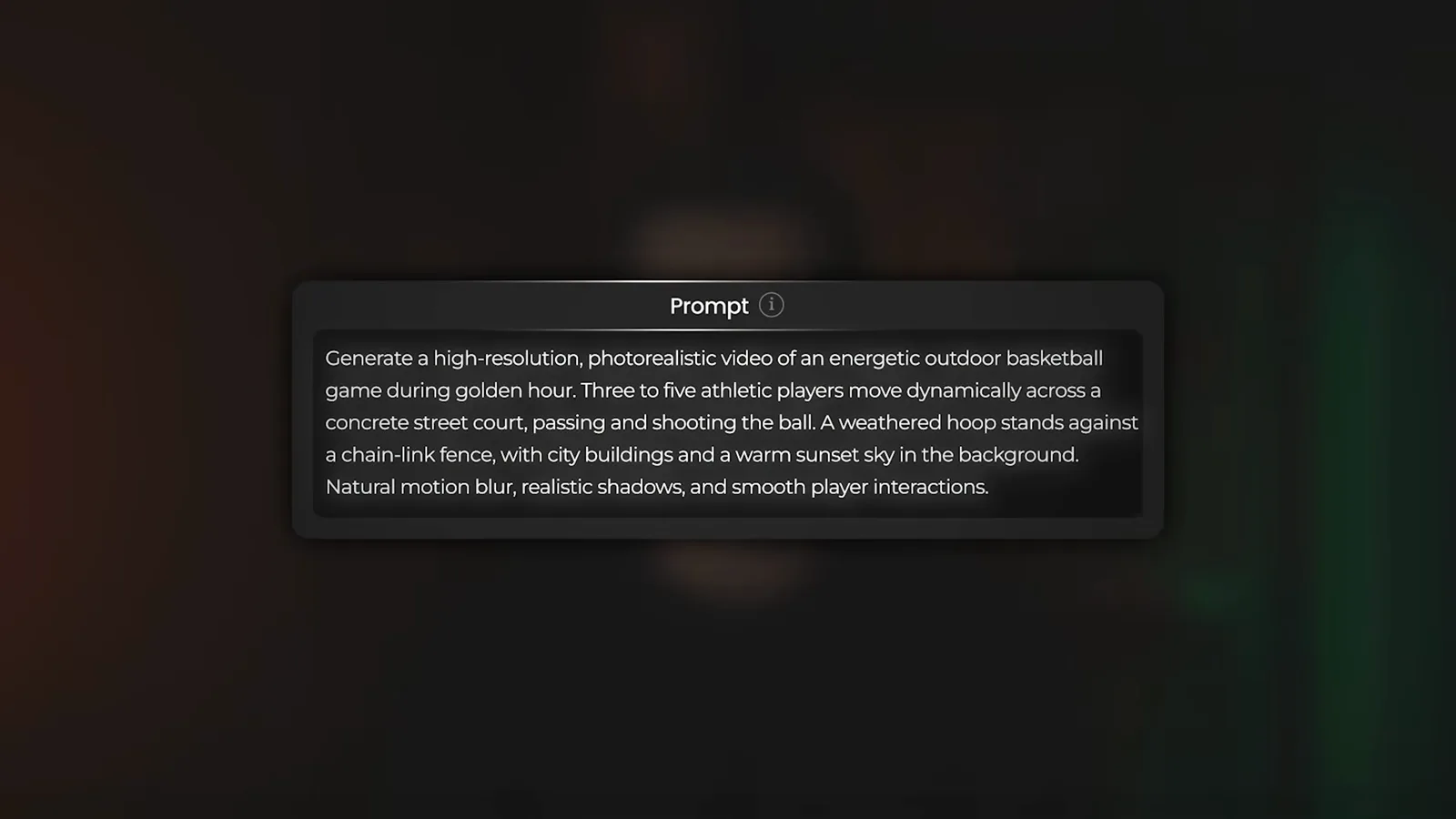
Same prompt, three engines — the only fair way to compare video models.Watch at 2:00 - 5
Kling's answer: readable bodies on a street court
Kling 3 keeps three players anatomically plausible as they dribble and drive, with parked cars and the fence staying stable behind them. Roboverse's verdict across the whole suite: "the new Kling model really stands its ground even against giants like Sora 2 and Veo" — and 4.0's showcase choreography is a visible step beyond this generation.
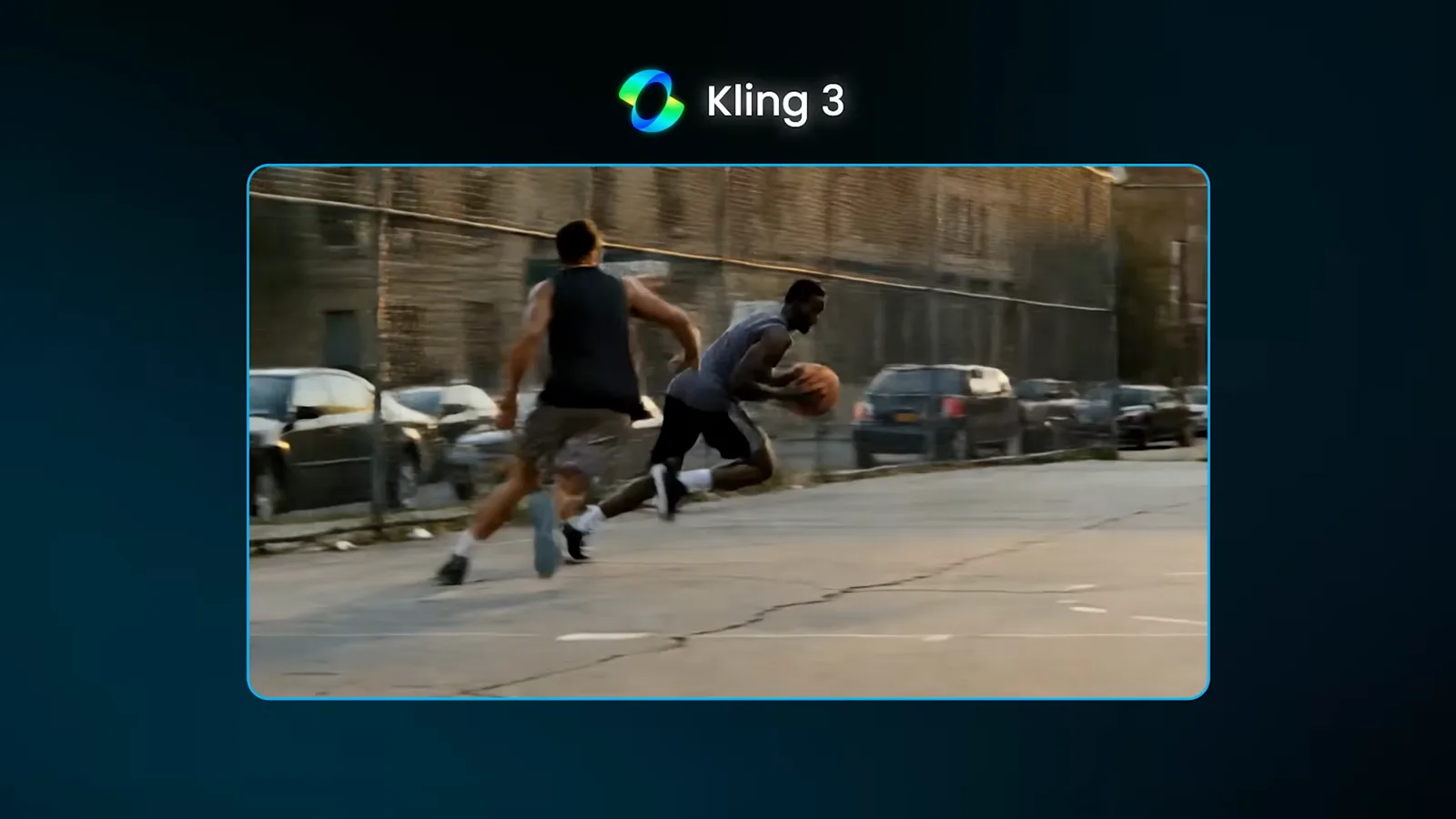
Kling 3 already held its own; 4.0's fight clips improve on it.Watch at 2:05 - 6
Sora 2's answer: the prettiest light in the test
Sora 2 bathes the same court in golden-hour glow — three players, a city skyline, long shadows across the asphalt. Roboverse's multi-person test is where it shone, and its hands close-ups and split-screen storytelling landed in the other rounds too. It is exactly the output you can no longer generate on demand.
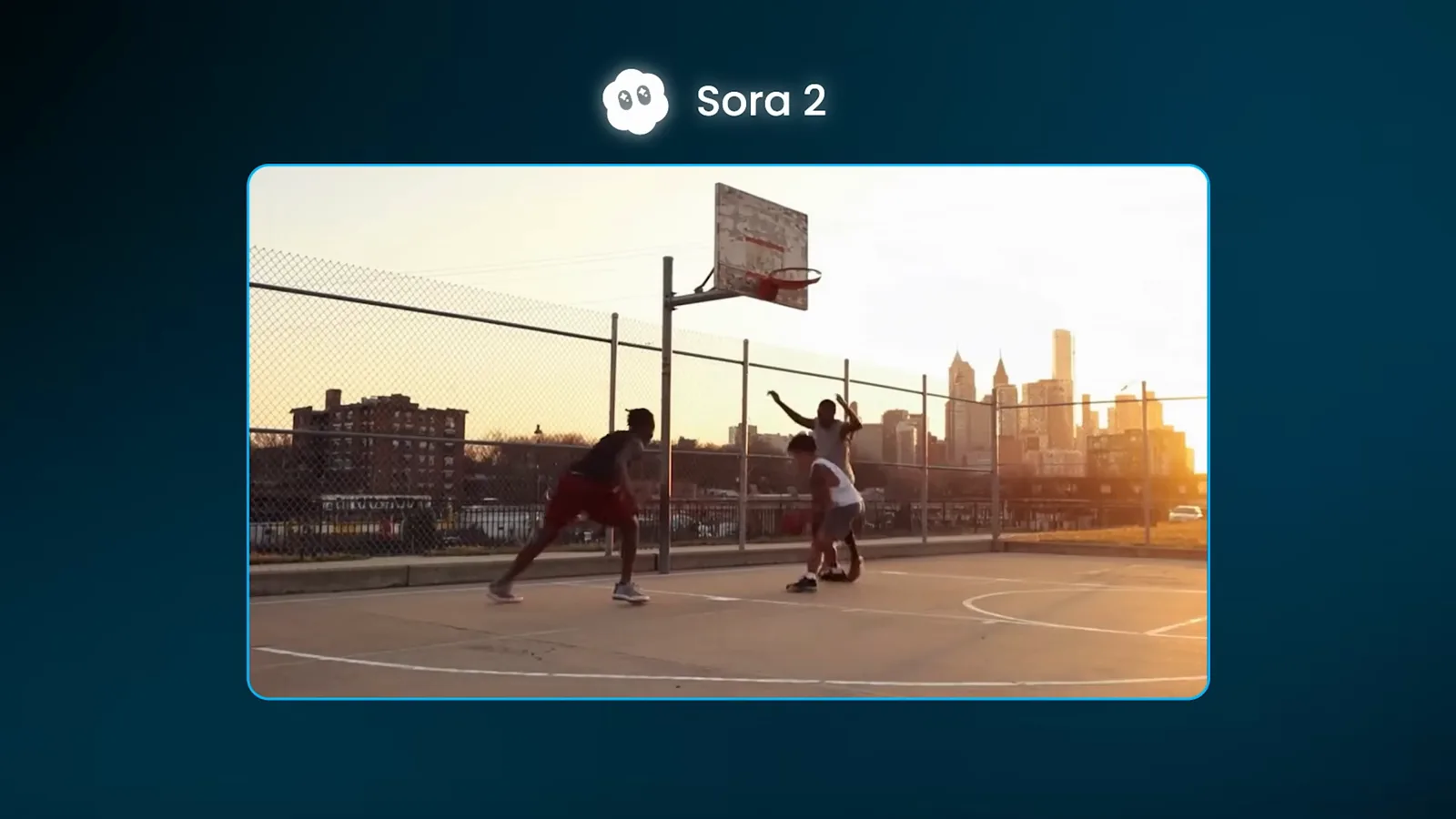
Sunset grading was Sora 2's signature — now it is archived, not callable.Watch at 2:22 - 7
The storytelling test Sora 2 passed
Roboverse's hardest narrative prompt — a split-screen phone call between two characters — plays to Sora 2's strengths: both halves hold their composition while the call runs, a technique he notes even Hollywood editors struggle to keep interesting. Kling 3's version stayed watchable; Kling 4.0's multi-shot mode is built to formalize exactly this.
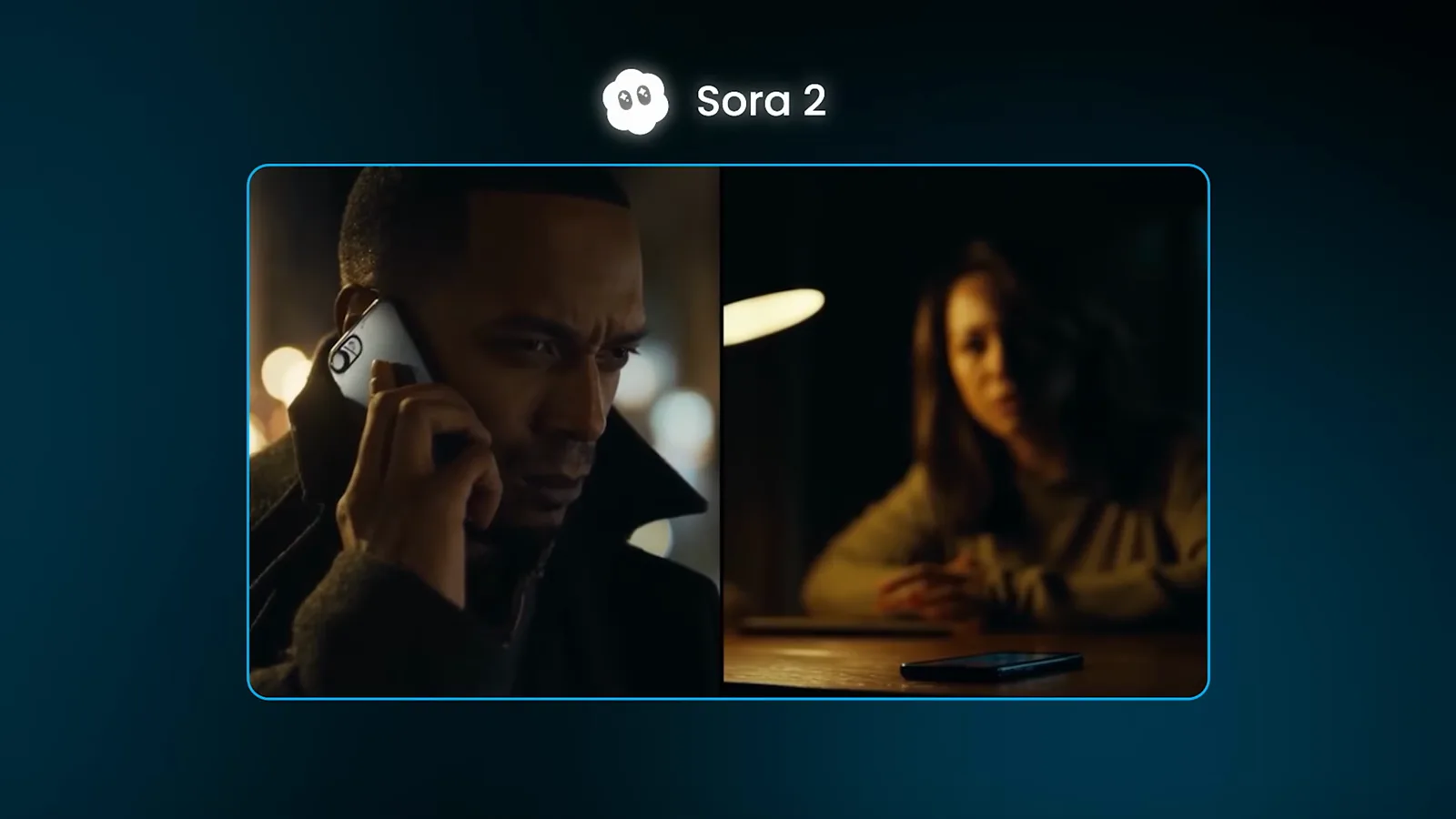
Split-screen narrative: Sora 2's strongest party trick, preserved here.Watch at 5:36
Controls Kling 4.0 Brings That Sora Never Shipped
- 8
Choreography you can actually read
The 21:9 hotel-lobby fight is Kuaishou's control showcase: she blocks, a man flies over a chair, and the camera tracks every hit instead of dissolving into arm-blur. Alex Bokor's notes are honest — hands mirror a bit in the fastest moments and some hits feel soft — but the stereo mix pans the impacts left to right convincingly.
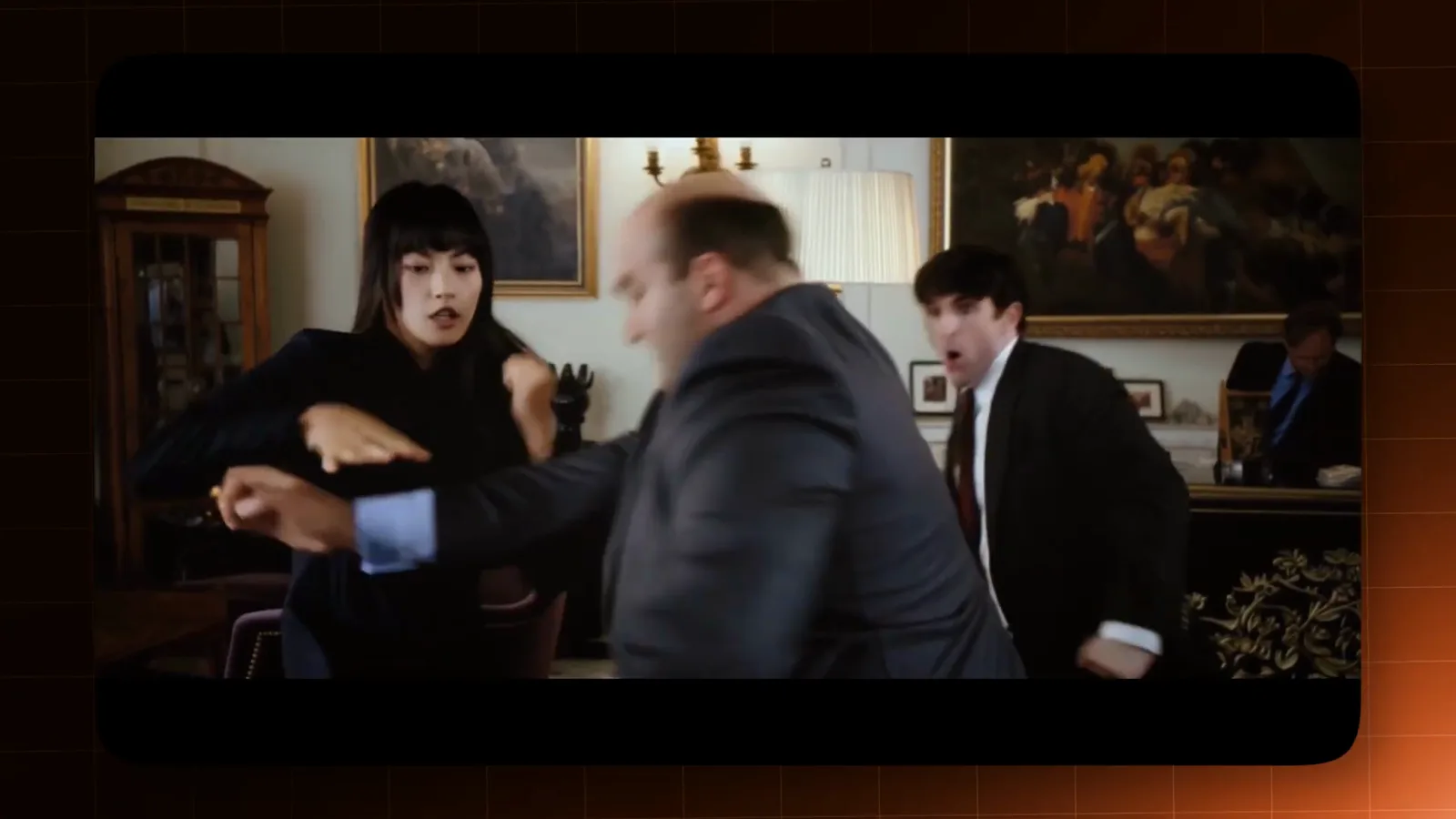
21:9, stereo sound, readable hits — the fight clip bundles the new controls.Watch at 2:30 - 9
Keyframes and acting: better faces, some blur left
Kling 4.0 accepts up to 10 keyframe images, so you storyboard a scene instead of gambling on one prompt. In this 11-second drama beat the characters react while the other speaks, and the vase smash lands as a real story turn. JSFILMZ still caught AI tells — unblinking eyes and motion blur on the fastest gestures.
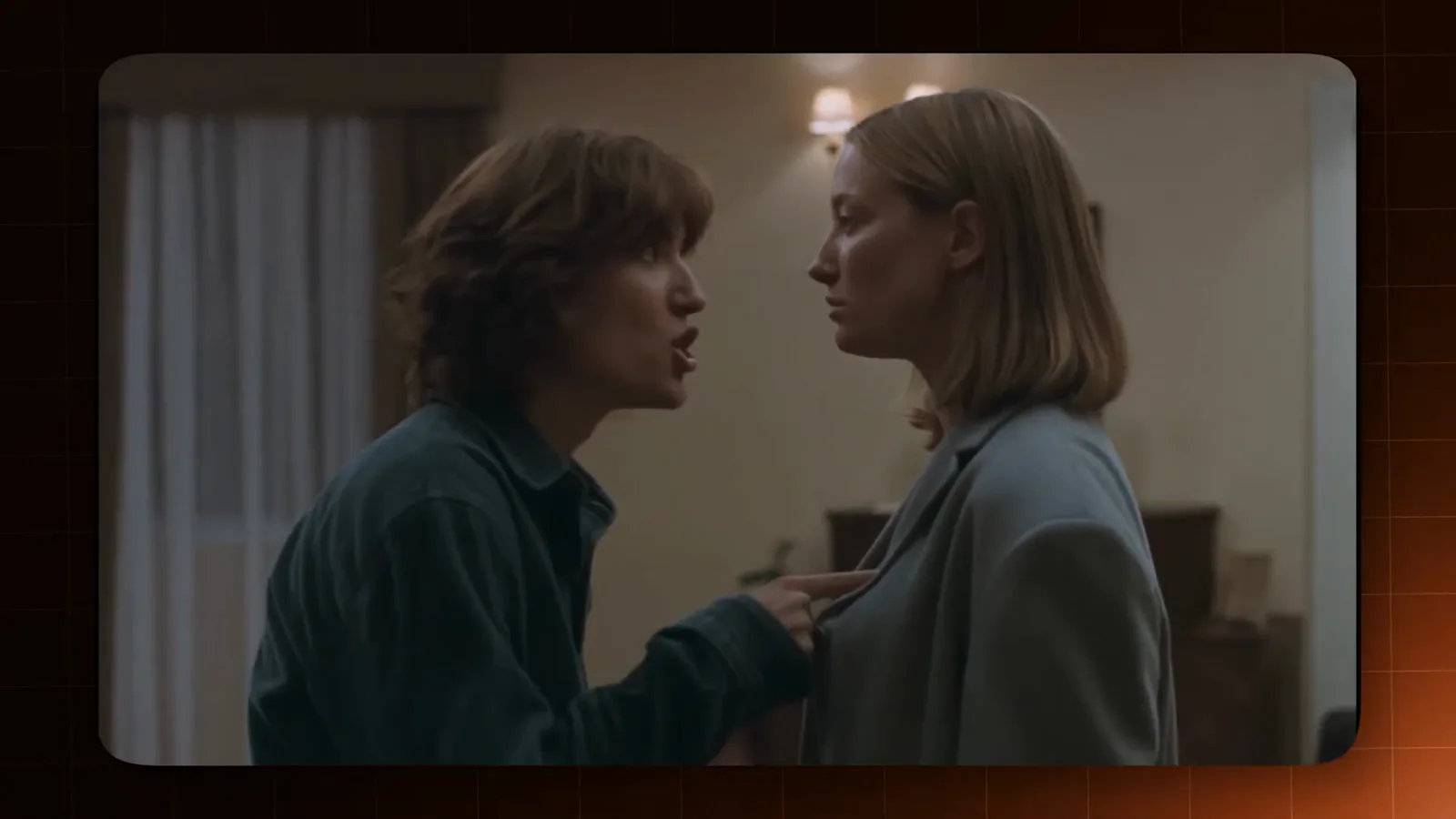
Ten keyframes turn a dice-roll into a storyboard; the acting improves but is not perfect.Watch at 3:46 - 10
Audio is native now — stereo, lip-sync, accents
The storm-tossed piano clip plays like a 20-second music video: fog rolling past the bow, close-ups of wet hands, a final pull-out as the ship goes down. Two-channel stereo and improved lip-sync are built in, with accent variants from British to Indian English — the audio cues Roboverse's three-way test showed are now table stakes.
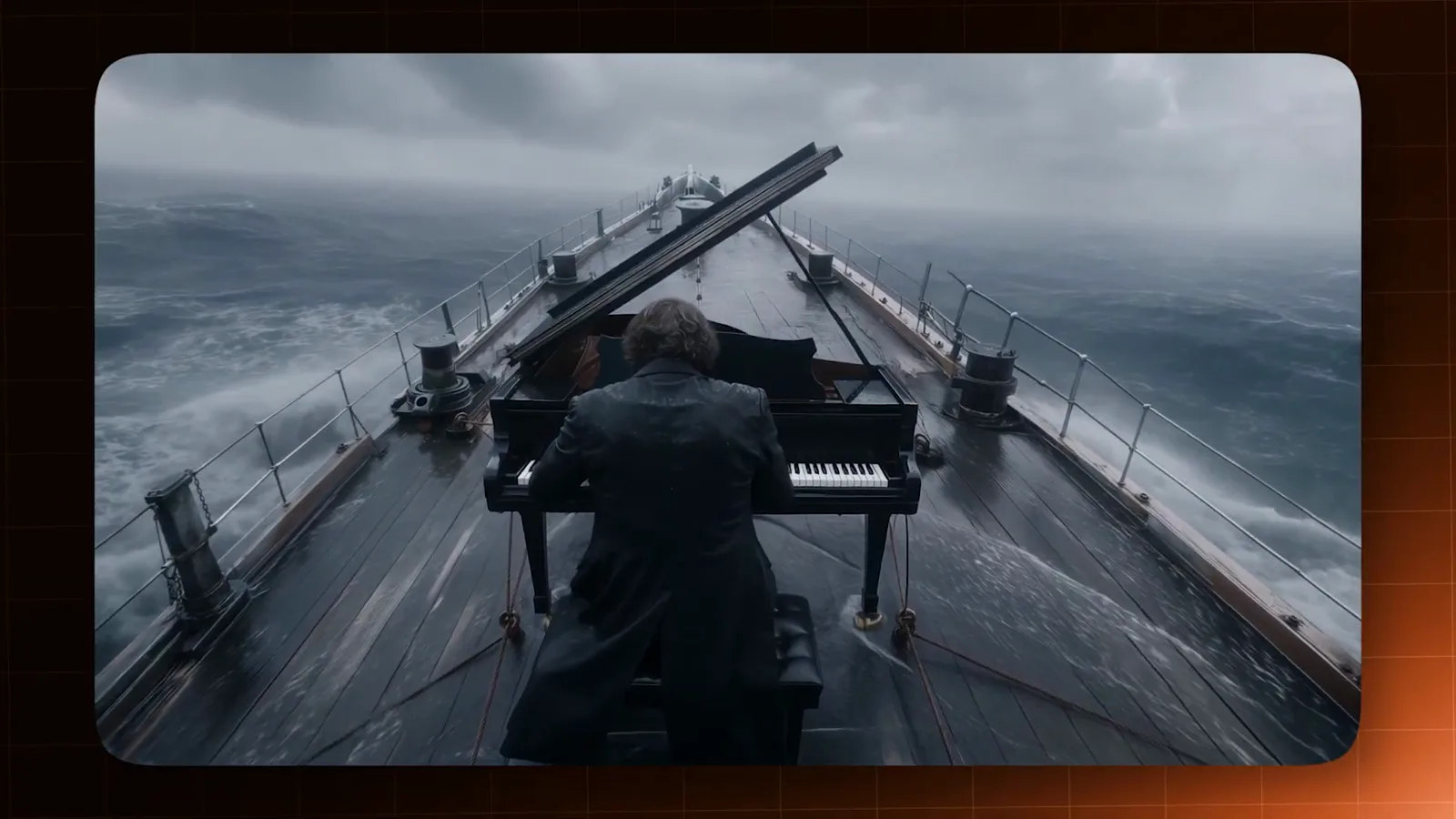
Native stereo audio ships with the model — no post-production pass required.Watch at 4:16 - 11
Text and logos survive camera movement
In the UGC product clip, the jacket's "Kling" logo stays clean and readable as the model adjusts her collar and the camera pushes in — historically the exact moment AI video fell apart. Alex Bokor calls the result scary-useful for businesses, even if it is a little too polished for real user-generated content.
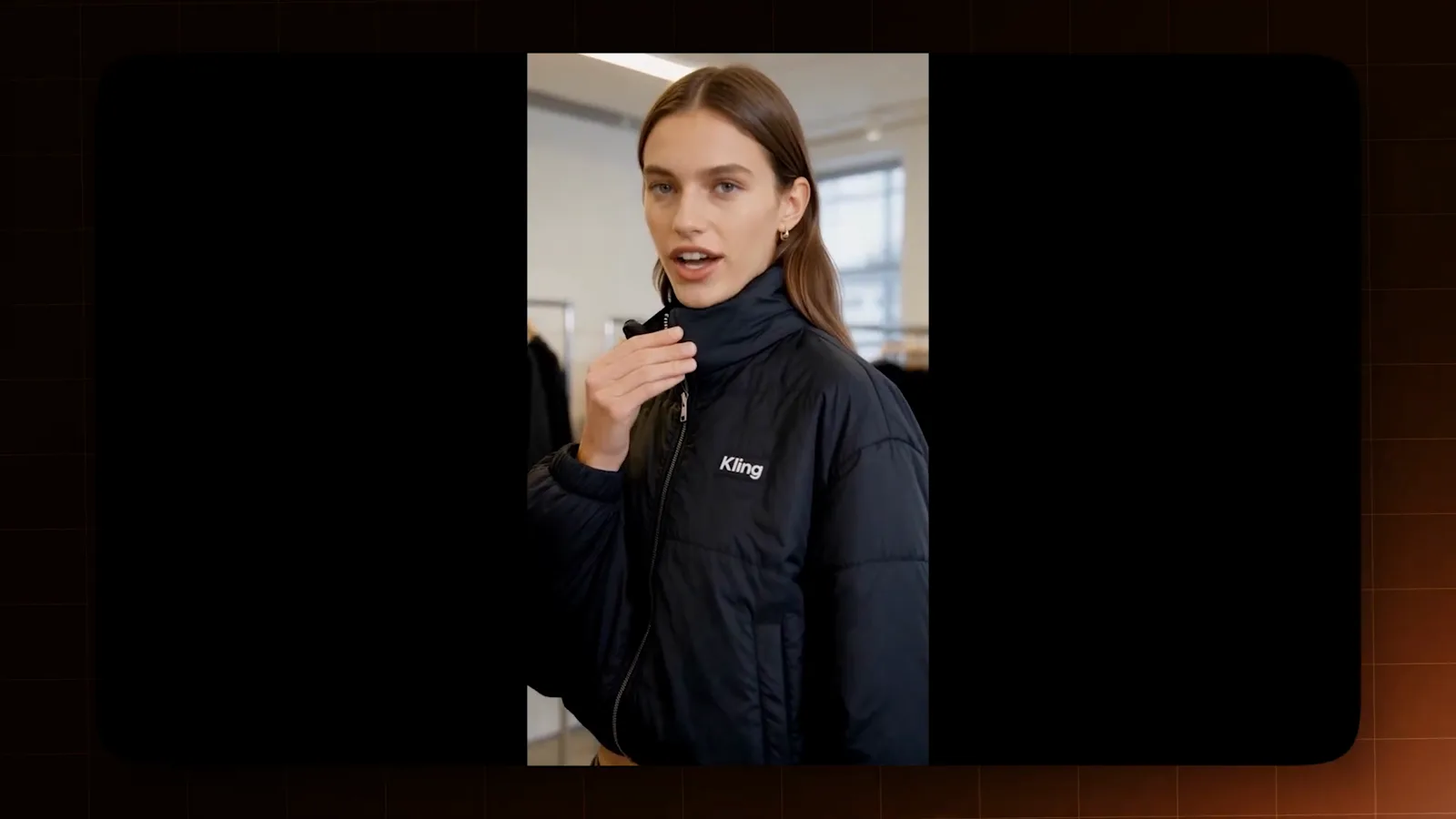
Brand text that survives a pan — the UGC clip is the commerce pitch.Watch at 5:13 - 12
30 seconds unlocks stories, not just longer clips
The closer is a 30-second gym vlog in Chinese generated in one pass: six shots, same guy, same shirt, same gym, plus a working joke about gravity disagreeing with his math. That is what the 3–30-second range and multi-shot structure buy — a narrative arc instead of a loop. Sora 2 capped generations far below this.
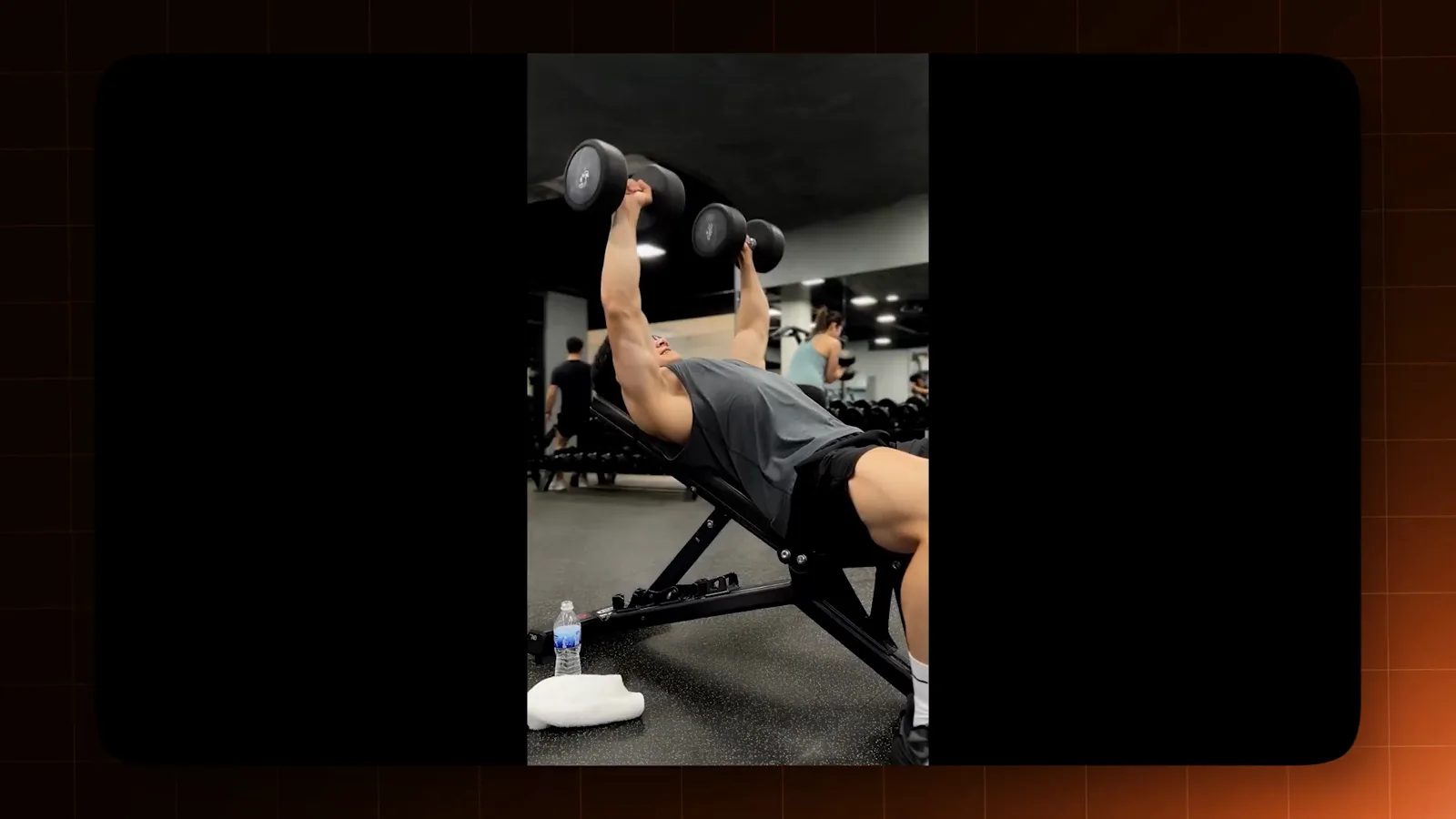
Six consistent shots in one generation — duration is a storytelling feature.Watch at 6:00
Price and Access: One Live Meter, One Closed Door
- 13
Tiers exist, but Kling 4.0 pricing isn't public yet
The 4K supercar chase — which turns out to be a film set — shows the top resolution tier your credits will buy. As of October 1, 2026 Kuaishou had not published Kling 4.0 pricing; JSFILMZ says so directly in his first look. Expect credit tiers in line with Kling 3.0, with Flash — capped at 20 seconds and 720p — as the budget lane.
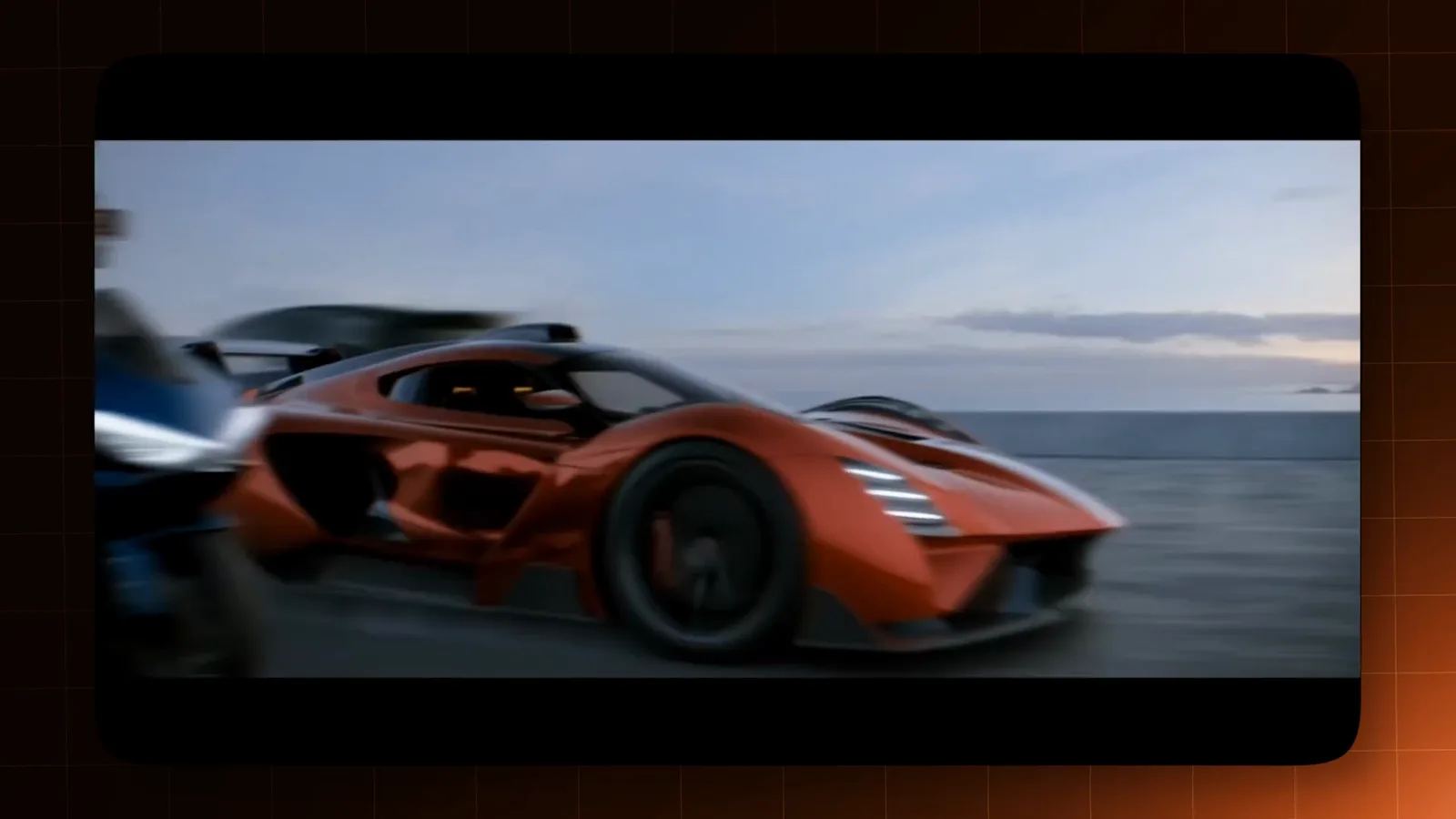
4K is the premium tier; official credit pricing was still unannounced at publish time.Watch at 5:30 - 14
Sora 2's remaining home is archives
After the September 24 cutoff, the only way to "use" Sora 2 is to watch it: recordings like Roboverse's Higgsfield session, saved outputs and comparison archives such as this one. No new API keys, no generations, no plan tier. Any pipeline document still pointing at a Sora endpoint is pointing at a closed door.
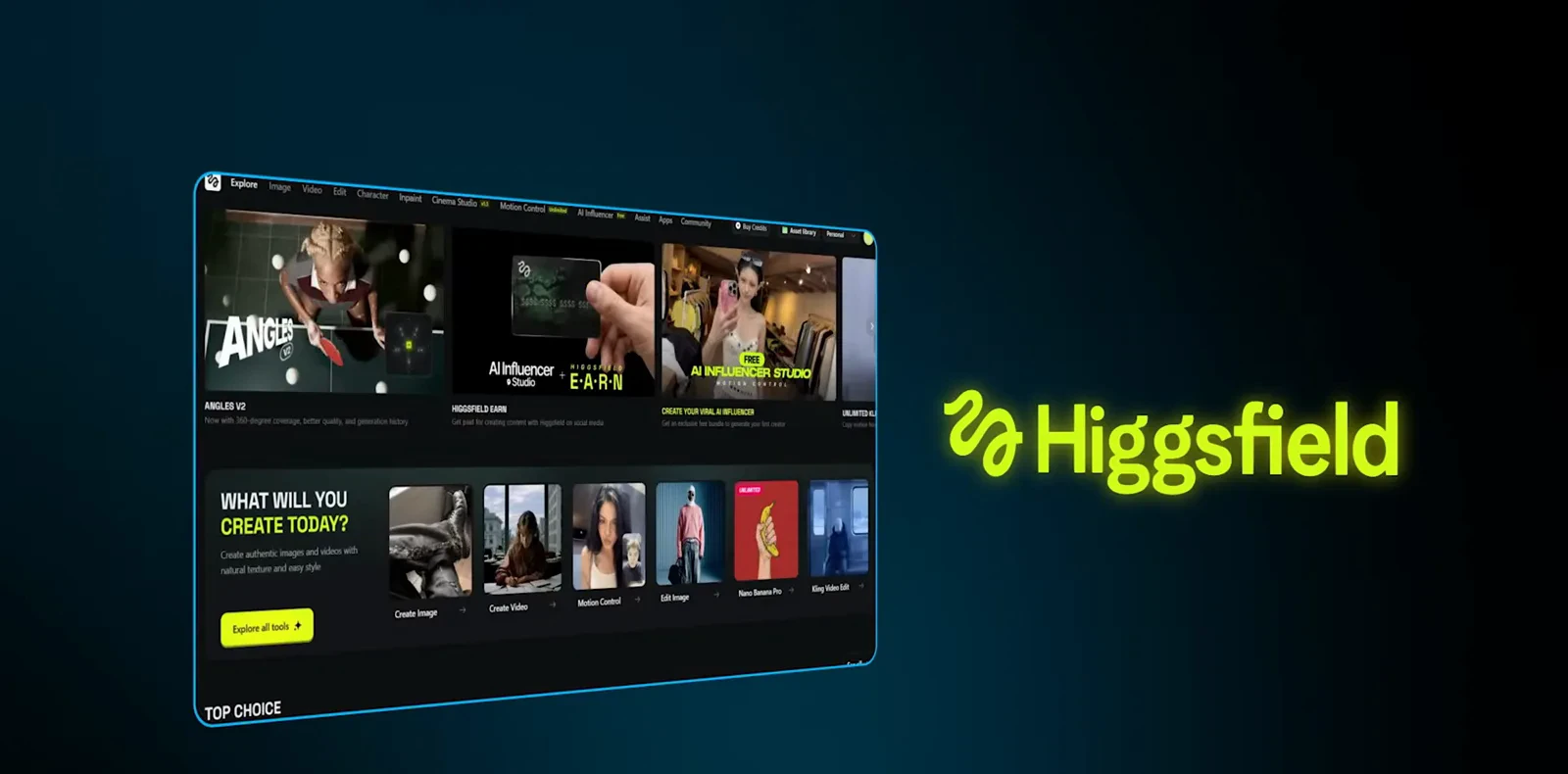
Aggregator recordings are Sora 2's afterlife — plan new work elsewhere.Watch at 6:52
The Migration Verdict
- 15
The final test: Sora 2 held its ground — and still lost
Roboverse's last prompt wakes a furious pharaoh mid-burial, and all three models deliver watchable chaos; his conclusion is that Kling "stands its ground even against giants." But a model you cannot call is a model you cannot build on. Quality aside, the migration decision makes itself.
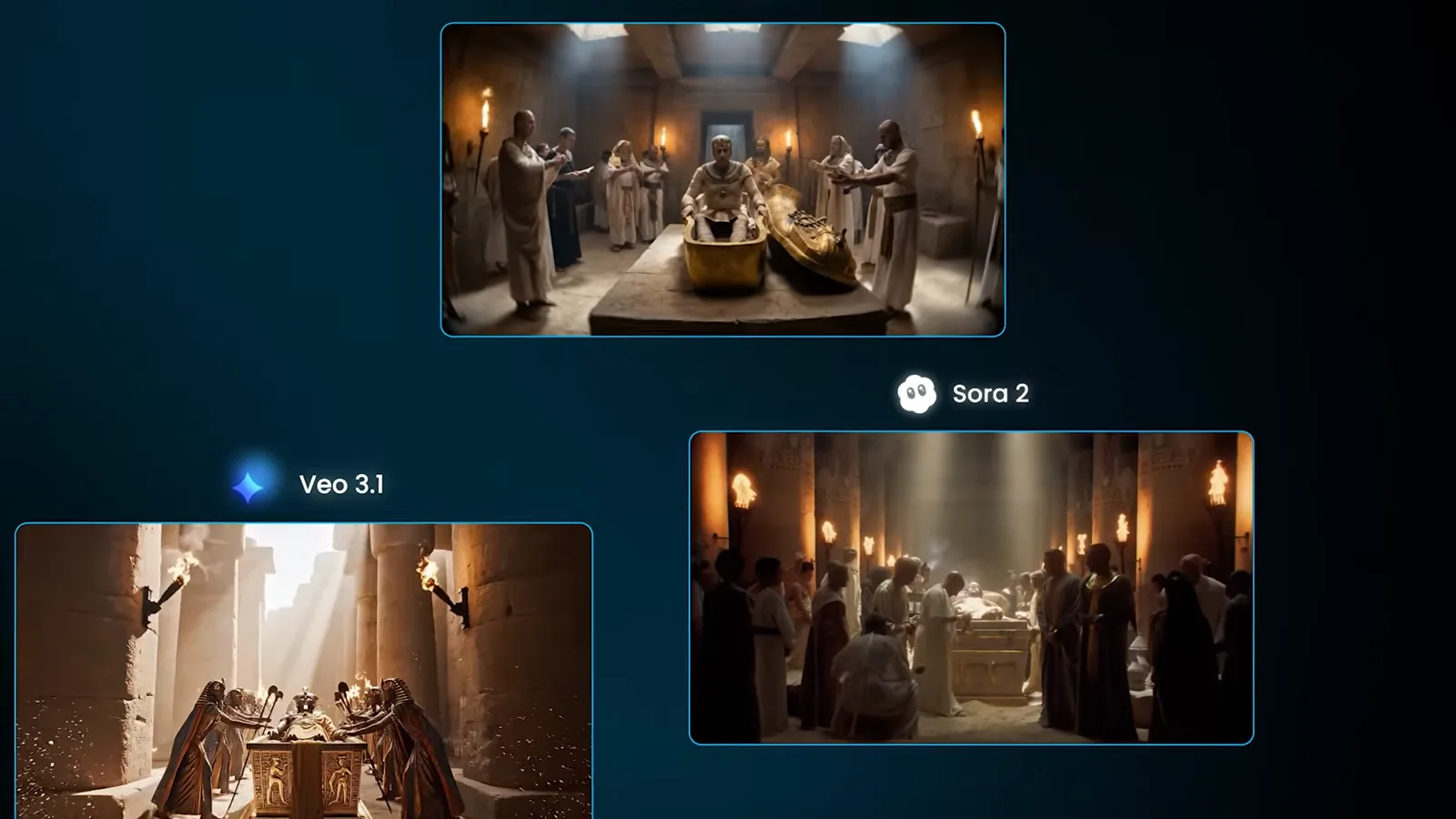
Even at full strength, Sora 2's output is now a museum piece.Watch at 6:40 - 16
Your migration checklist, starting with one clip
Start small: take one Sora prompt — Roboverse's or your own — and rebuild it in Kling with multi-shot beats and keyframes. Then replicate the selfie-vlog style of this Emma clip: tight lip-sync, handheld motion, believable pedestrians behind her. Flash is live for early-access users, everyone else gets both models on October 8, and our Sora prompting guide's formulas transfer almost one-to-one.
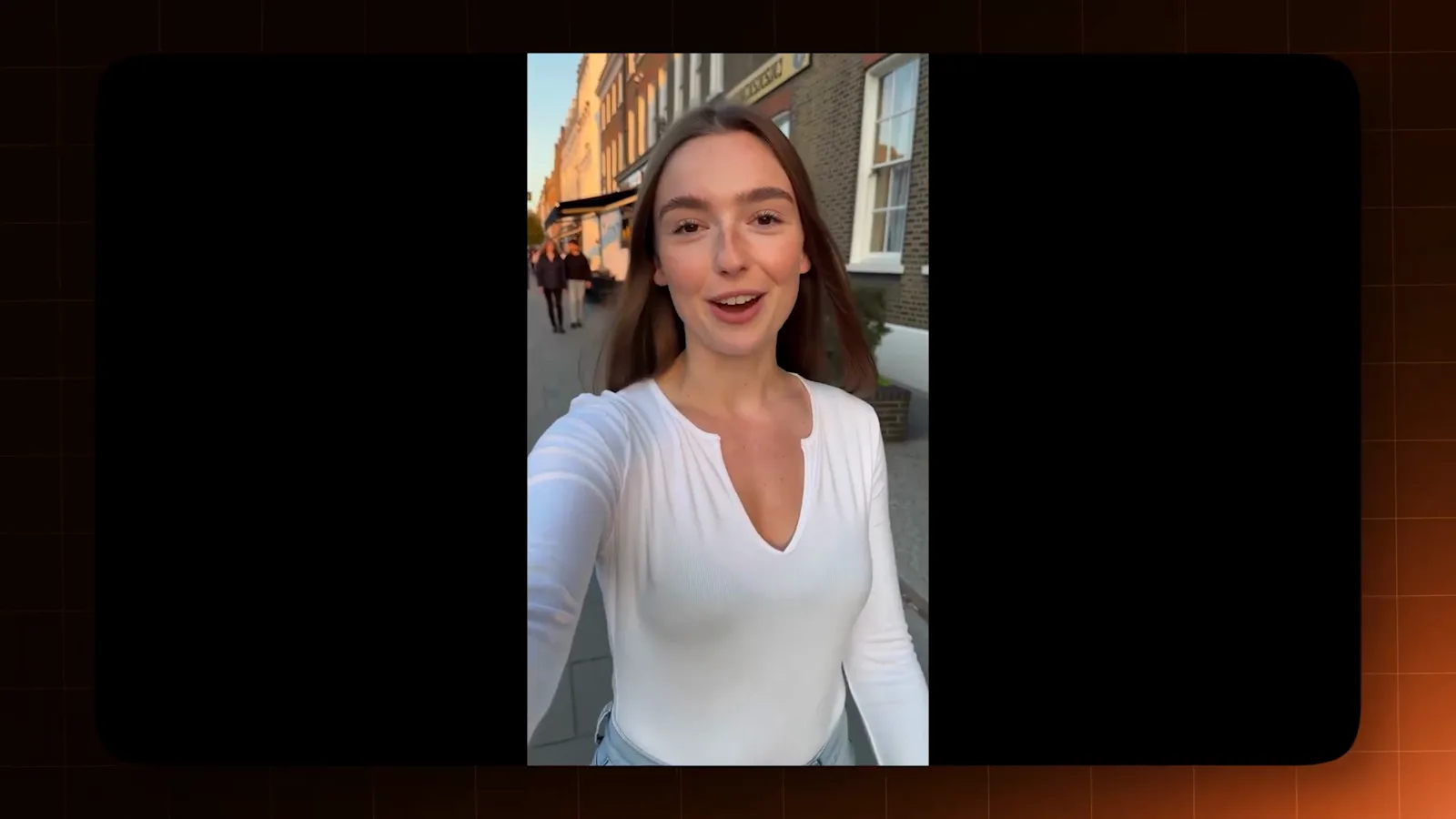
Rebuild one prompt, then one style — migration is an afternoon, not a quarter.Watch at 3:15